Choosing the right roofing material for your home is a crucial decision that can impact your property’s value, aesthetics, and energy efficiency. With a variety of options available, understanding the benefits and drawbacks of each material is essential. This guide will help you navigate the selection process, ensuring you make an informed choice that meets your needs and preferences.
Understanding Your Options
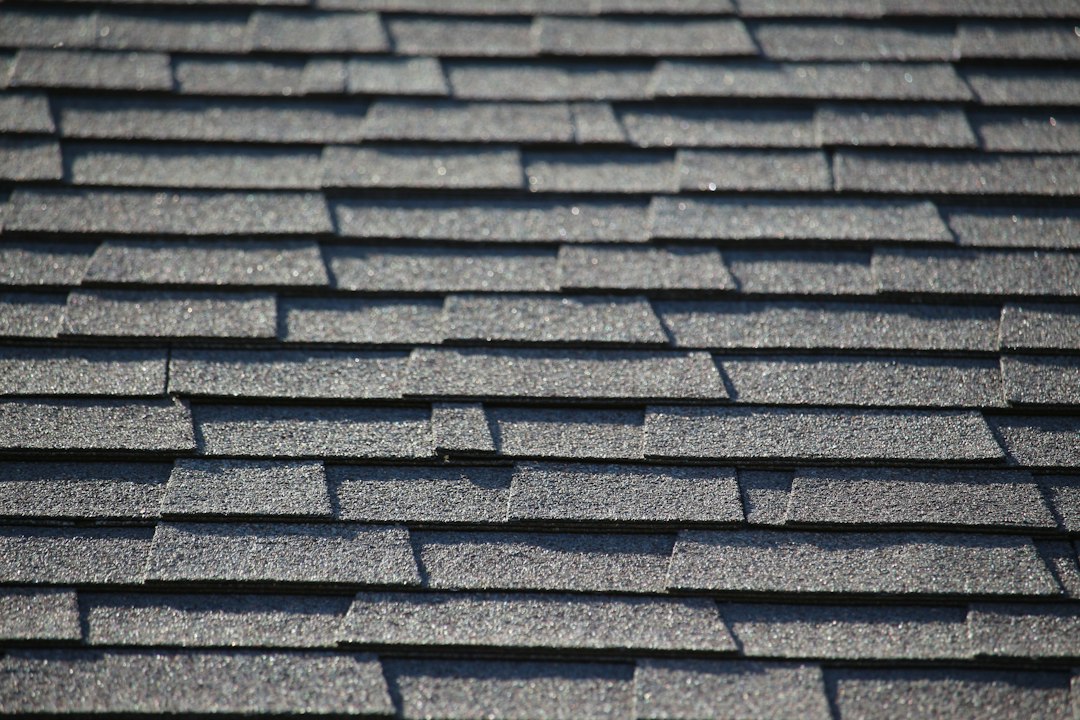
When it comes to roofing materials, there are several popular choices, including asphalt shingles, metal roofing, tile, and slate. Asphalt shingles are the most common due to their affordability and ease of installation. Metal roofing, on the other hand, offers durability and energy efficiency, making it a great long-term investment. Tile and slate provide a unique aesthetic appeal but can be heavier and more expensive, requiring professional installation.
Each material has its own set of advantages and disadvantages. For instance, while asphalt shingles are cost-effective, they may not last as long as metal or tile options. Metal roofs can withstand harsh weather conditions but may require additional insulation to reduce noise during rain. Understanding these differences will help you weigh your options effectively.
Assessing Your Home’s Needs
Your home’s architecture and location play a significant role in determining the best roofing material. Consider the climate in your area; for instance, if you live in a region with heavy snowfall, a steep-pitched roof with metal or tile may be ideal for shedding snow. Conversely, in warmer climates, materials that reflect sunlight, such as metal or light-colored shingles, can help keep your home cooler.
Additionally, think about the style of your home. A historic home may benefit from traditional materials like slate or tile, while a modern home might look best with sleek metal roofing. Matching the roofing material to your home’s design not only enhances curb appeal but can also increase property value.
Evaluating Cost and Longevity
Budget is a critical factor when selecting roofing materials. While some options may have a lower upfront cost, they may require more frequent repairs or replacements, leading to higher long-term expenses. For example, asphalt shingles typically last 15-30 years, whereas metal roofs can last 50 years or more with proper maintenance.
It’s essential to consider both the initial investment and the long-term value. Investing in a more durable material may save you money in the long run, as you will spend less on repairs and replacements. Always request quotes from multiple contractors to compare costs and ensure you are getting the best deal.
Considering Installation and Maintenance
Installation is another crucial aspect to consider when choosing roofing materials. Some materials, like asphalt shingles, are easier and quicker to install, which can reduce labor costs. Others, such as slate or tile, require specialized skills and may take longer to install, potentially increasing overall expenses.
Maintenance requirements also vary by material. Metal roofs generally require less maintenance than asphalt shingles, which may need regular inspections and repairs. Understanding the maintenance needs of your chosen material will help you prepare for future upkeep and ensure your roof remains in good condition.
Step-by-step plan:
Step 1: Assess your home’s architectural style and climate. Step 2: Research different roofing materials and their pros and cons. Step 3: Set a budget that considers both initial costs and long-term value. Step 4: Consult with roofing professionals to get quotes and advice tailored to your needs.