
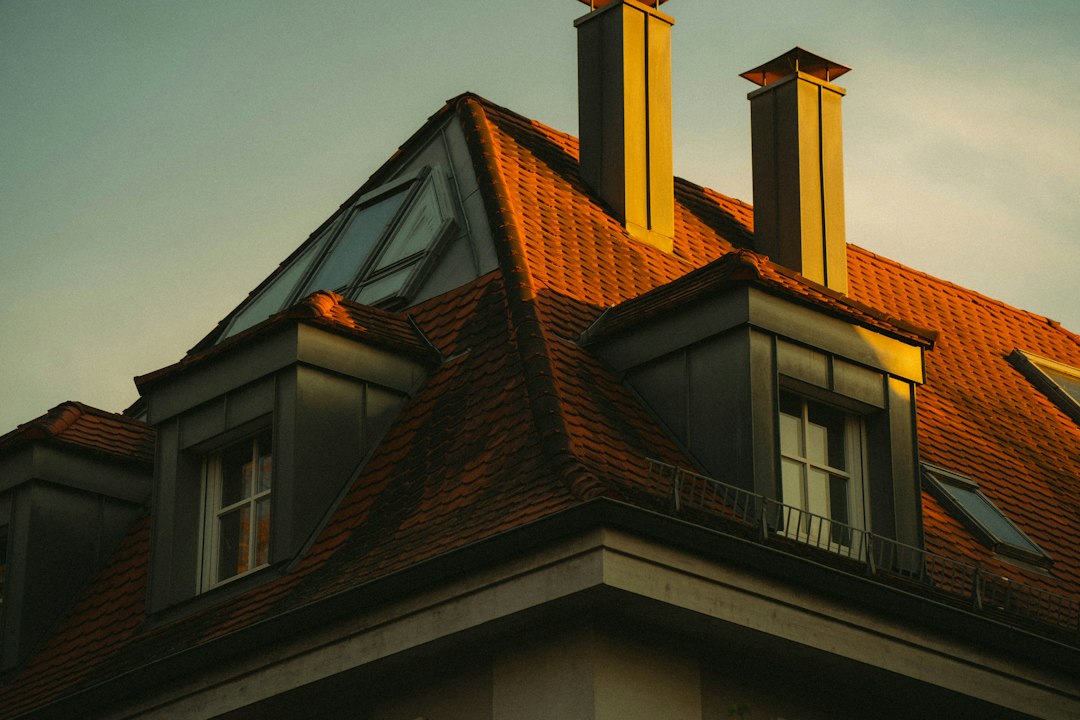
Choosing the right roofing style for your property is crucial for both aesthetic appeal and functionality. Different roofing styles offer unique benefits that cater to various needs and preferences. Understanding these styles can help you make informed decisions that enhance your property’s value and longevity.
Flat Roofing Systems
Flat roofing systems are increasingly popular for both commercial and residential buildings due to their modern appearance and practicality. They provide a sleek, minimalist look that complements contemporary architecture. Additionally, flat roofs are easier to install and maintain compared to pitched roofs, making them a cost-effective option for many property owners.
One of the significant advantages of flat roofing is the additional usable space they provide. Homeowners can utilize the roof for various purposes, such as creating a rooftop garden or a leisure area. Moreover, flat roofs are ideal for installing solar panels, which can lead to energy savings and a reduced carbon footprint.
Pitched Roofing Styles
Pitched roofing styles, including gable, hip, and mansard roofs, are traditional choices that offer excellent drainage and durability. These roofs are designed to shed water and snow efficiently, reducing the risk of leaks and structural damage. The steep angles of pitched roofs also allow for better ventilation, which can help regulate indoor temperatures.
In addition to their functional benefits, pitched roofs come in various designs and materials, allowing homeowners to choose a style that complements their property’s architecture. Whether you prefer the classic look of a gable roof or the elegance of a mansard roof, there is a pitched roofing style to suit every taste. This versatility makes pitched roofs a popular choice among homeowners looking to enhance their property’s curb appeal.
Commercial Roofing Repair
For businesses, maintaining a reliable roof is essential to protect assets and ensure operational continuity. Commercial roofing repair services address issues such as leaks, punctures, and wear and tear that can compromise the integrity of the roof. Timely repairs can prevent more extensive damage and costly replacements, making it a smart investment for business owners.
Moreover, regular inspections and maintenance can extend the lifespan of commercial roofs. By addressing minor issues before they escalate, businesses can save money in the long run and ensure a safe working environment for employees and customers alike. Investing in commercial roofing repair is not just about fixing problems; it’s about safeguarding your business’s future.
Emergency Roof Repair
Roof emergencies can occur unexpectedly, often due to severe weather conditions or sudden structural failures. Emergency roof repair services are crucial for addressing these urgent situations promptly. Quick action can prevent further damage to your property and ensure the safety of its occupants.
Having a reliable emergency roof repair service on speed dial can provide peace of mind for homeowners and business owners alike. Knowing that help is just a call away can alleviate stress during a crisis. These services typically offer 24/7 availability, ensuring that your roofing issues are addressed as soon as they arise.
Roof Maintenance Programs
Implementing a roof maintenance program is one of the best ways to ensure the longevity and performance of your roofing system. Regular inspections and maintenance can identify potential issues before they become significant problems. This proactive approach not only extends the life of your roof but also enhances its efficiency and effectiveness.
Maintenance programs often include cleaning, repairs, and inspections tailored to your specific roofing style. By investing in a maintenance program, property owners can enjoy peace of mind knowing that their roofs are in good hands. This commitment to upkeep can ultimately save money by avoiding costly repairs and replacements down the line.
Checklist: Assess your current roofing style, schedule a roof inspection, consider a maintenance program.